Hepatitis A: Detection and Diagnosis in 2024
Our liver is necessary to produce hormones and eliminate toxins from the blood. Hepatitis is a disease that damages liver cells through infection and results in a number of other health problems. Symptoms and treatment options can differ based on the type and reason. Of all its forms, viral hepatitis is the most prevalent. Let’s learn more about Hepatitis A.
Types and causes of Hepatitis
There are five forms of hepatitis: A, B, C, D, and E. All forms of viral hepatitis are caused by distinct viruses. These viruses have the potential to spread disease and, in rare circumstances, to result in potentially fatal consequences. Additionally, there are a variety of causes, including alcohol usage, viral infections, a number of medical disorders, using hepatitis medication, and occasionally, genetics (a particular kind of disease). The most typical way that these viruses spread is through the exchange of infected blood and equipment.
Hepatitis A
Let's now study hepatitis A in further detail. Hepatitis A is a highly contagious form of the virus that can spread even before you become ill. Hepatitis A is prevalent in places with inadequate sanitation and is usually transmitted by eating or drinking contaminated food or water. It typically results in acute liver damage rather than a chronic infection. The best kind of prevention is vaccination. Hepatitis virus A can be transmitted through close physical contact with an infected individual, such as through sexual contact, providing care for an ill person, or sharing needles with others.
Transmission
Drinking contaminated water or eating stale food is one of the main ways Hepatitis A gets transmitted. Some of the other methods of its transmission to humans are:
- Eating or drinking food contaminated by an infected person can expose you to the sickness.
- Consume any fruits, vegetables, or other items that have been handled or prepared by an infected individual.
- Consume raw shellfish collected from virus-infected areas.
- Consume stale ice.
- Sexual contact with an infected person.
- Touching the mouth after holding contaminated objects.
Symptoms of Hepatitis A
If you have this infection, the virus will cause inflammation in your liver. Some people, especially many children, don’t have symptoms. Others might have:
- Jaundice (yellow eyes and skin)
- Belly pain
- Dark urine
- Itching
- Pale-colored poop
- Joint pain
- Fever
- Diarrhea
- Fatigue Loss of appetite
- Upset stomach
- Vomiting
Prevention
- Vaccination: Hepatitis A can be prevented by using vaccinations. Vaccines are an effective way to prevent Hepatitis A and are accessible.
- Safe Procedures: Hepatitis A can be prevented by ensuring safe procedures like not sharing needles, making sure blood transfusions are safe, and engaging in safe sexual behavior.
- Sanitation: Using clean and uncontaminated water and maintaining good hygiene are vital to avoiding hepatitis A.
Diagnosis of Hepatitis A
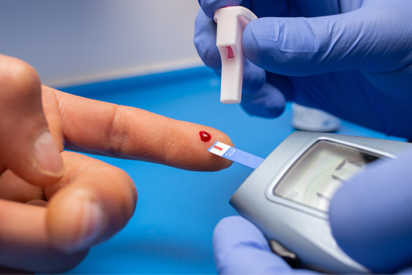
Initially, your physician will inquire about your symptoms and perform a blood test to detect elevated liver enzyme levels. After that, a blood test will be performed to check for antibodies and antigens associated with hepatitis. The hepatitis virus contains chemicals called antigens. Your immune system produces antibodies as a means of warding off viruses. Two categories exist:
Immunoglobulin M, or IgM, antibodies are produced by your body in response to your initial exposure to hepatitis A. They remain in your bloodstream for three to six months.
Immunoglobulin G (IgG) antibodies: These appear after the virus has had some time to infect your body. They might stick with you forever. They guard you from contracting hepatitis A. If you get a positive test for them but not for IgM antibodies, you either have had hepatitis A in the past or have received immunizations to prevent it.
Hepatitis A Test
A hepatitis A test determines whether you have the virus by looking for antibodies in your blood. There are two ways to diagnose hepatitis A: Hepatitis A virus (HAV) antibodies and Hepatitis A IgG testing.
Treatment of Hepatitis A
No treatment will eradicate Hepatitis A virus completely. Until your symptoms are gone, your doctor will treat them (they may refer to this as supportive care). In order to ensure that your body is responding as it should, they will also perform tests to assess how well your liver is functioning.
Most of the time, the hepatitis A virus is not harmful. Nearly all of those who have it recover. However, as it may take some time to go away, you'll need to take care of yourself throughout that period.
If you are looking for the best hepatitis testing lab in Kannur, then visit Aza Diagnostics Centre, a reliable diagnostic centre that will give you quick and accurate results to help you get the right treatment at the right time.
Among the scanning centres in Kannur, Aza Diagnostics Centre is where you can get anything tested at an affordable price.
Visit us today!